Transparency notice: TrackTrekkers is reader-supported. If you buy via links on this page, we may earn a small affiliate commission at no extra cost to you. We test every product independently — commissions never influence our ratings.

Introduction
Your walking pad was whisper-quiet when you bought it. But after some time your walking pad making noise like it’s grinding, squeaking, or making a sound like a coffee grinder at 2 mph.
I’ve diagnosed and fixed this exact problem on 12 different walking pads over the years. In 90% of cases, the cause is one of six things — and five of them are fixable at home in under 20 minutes.
Cause 1 — Belt Needs Lubrication (Most Common)
Sound: dry squeaking or grinding that worsens over time
Fix: lubricate with silicone oil — 15 minutes, ~$8
The walking surface belt runs on a flat deck. When the lubricant between belt and deck dries out, friction creates noise and heat. Left untreated, it burns out the motor.
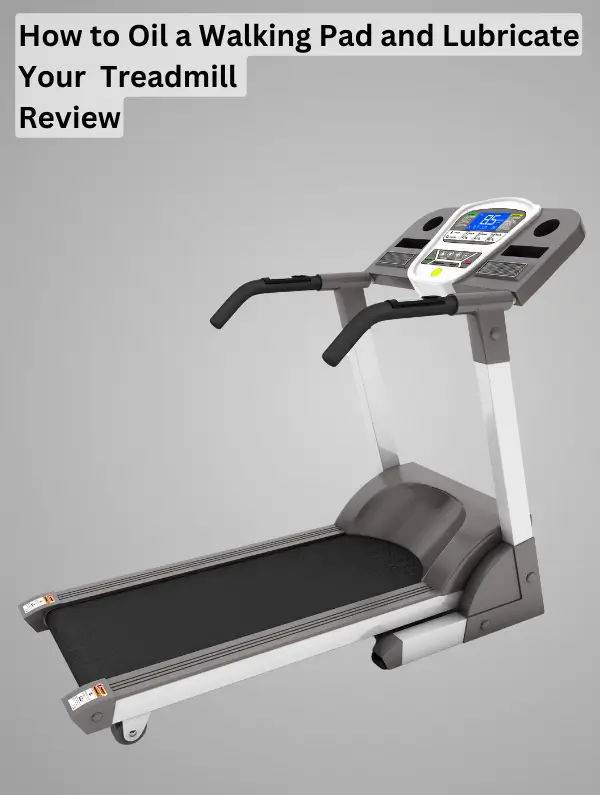
Fix: apply 1–2 tablespoons of 100% silicone treadmill lubricant under the center of the belt. See the walking pad lubrication guide at tracktrekkers.com/how-to-oil-a-walking-pad-and-lubricate-your-treadmill/ for step-by-step instructions. Never use WD-40 — it degrades rubber belts.
Cause 2 — Belt Tension Too Loose or Too Tight
Sound: slapping, flapping, or rhythmic thudding
Fix: adjust rear roller bolts with Allen wrench — 10 minutes, free
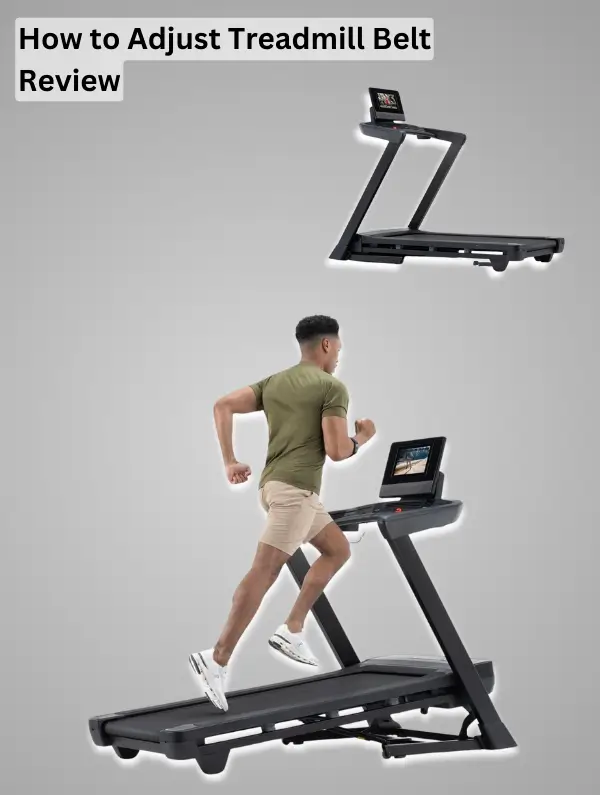
Test: lift the center of the belt. It should lift 2–3 inches. Less = too tight. More = too loose. Both cause noise.
To tighten: turn both rear roller bolts clockwise 1/4 turn simultaneously. To loosen: counter-clockwise 1/4 turn. Always adjust both sides equally or the belt will track to one side.
Cause 3 — Foreign Object Under Belt
Sound: rhythmic clicking or tapping, consistent with belt rotation speed
Fix: remove the object — 5 minutes, free
Small debris — gravel, a coin, hair ties, dried lubricant chunks — can get trapped between belt and deck. Turn off and unplug. Lift the belt edge and look for debris. Coins and hair are the most common culprits.
Cause 4 — Loose Frame Bolts
Sound: rattling or vibration noise, especially at higher speeds
Fix: tighten all accessible bolts — 10 minutes, screwdriver or Allen wrench
Walking pads vibrate during use, which gradually loosens frame bolts over months. Every 3–6 months, flip the unit over and hand-tighten all visible bolts. Snug is enough — don’t over-tighten.
Cause 5 — Motor Brush Wear (Older Units)
Sound: electrical buzzing or humming, louder on startup
Fix: replace motor brushes — or replace the unit if under warranty
DC motors use carbon brushes that wear over time. If the sound is electrical (buzzing, not mechanical clicking), contact the manufacturer — most walking pads have a 1–2 year motor warranty. If out of warranty, motor brush kits for common models cost $15–30 online.
Cause 6 — Surface Isn’t Level
Sound: rocking thud or frame contact noise
Fix: use a walking pad mat or adjust feet — 5 minutes
Walking pads on carpet or uneven floors rock slightly during use. A firm rubber mat ($20–40) under the unit solves this immediately and also protects your floor.
Frequently Asked Questions
Why is my walking pad louder than when I bought it?
Gradual noise increase over time is almost always belt lubrication drying out or belt tension loosening. Lubricate first — it solves 70% of noise increase cases.
Can I use WD-40 to lubricate a walking pad belt?
No. WD-40 is a water displacement spray, not a lubricant for rubber belts. It degrades the belt material and will make the problem worse within days. Always use 100% silicone treadmill lubricant.
My walking pad clicks every few seconds — what is it?
A rhythmic click that matches belt rotation speed is almost always a foreign object trapped between belt and deck. Turn off, unplug, and inspect under the belt before trying anything else.

Alex Turner has spent the last 5 years obsessively testing walking pads and under-desk treadmills — because sitting all day was literally hurting his back. A certified fitness enthusiast and full-time remote worker based in Austin, TX, Alex has personally walked on 40+ models, clocking over 2,000 hours of testing time across his home office setup.
He founded TrackTrekkers to cut through the marketing fluff and give real, hands-on assessments of every walking pad that crosses his desk (literally). His testing methodology includes: 2+ weeks of daily use per product, noise level measurements, belt durability checks, and real-world stability tests at max weight capacity.
When he’s not walking and working, Alex consults for remote-first companies on ergonomic home office setups.